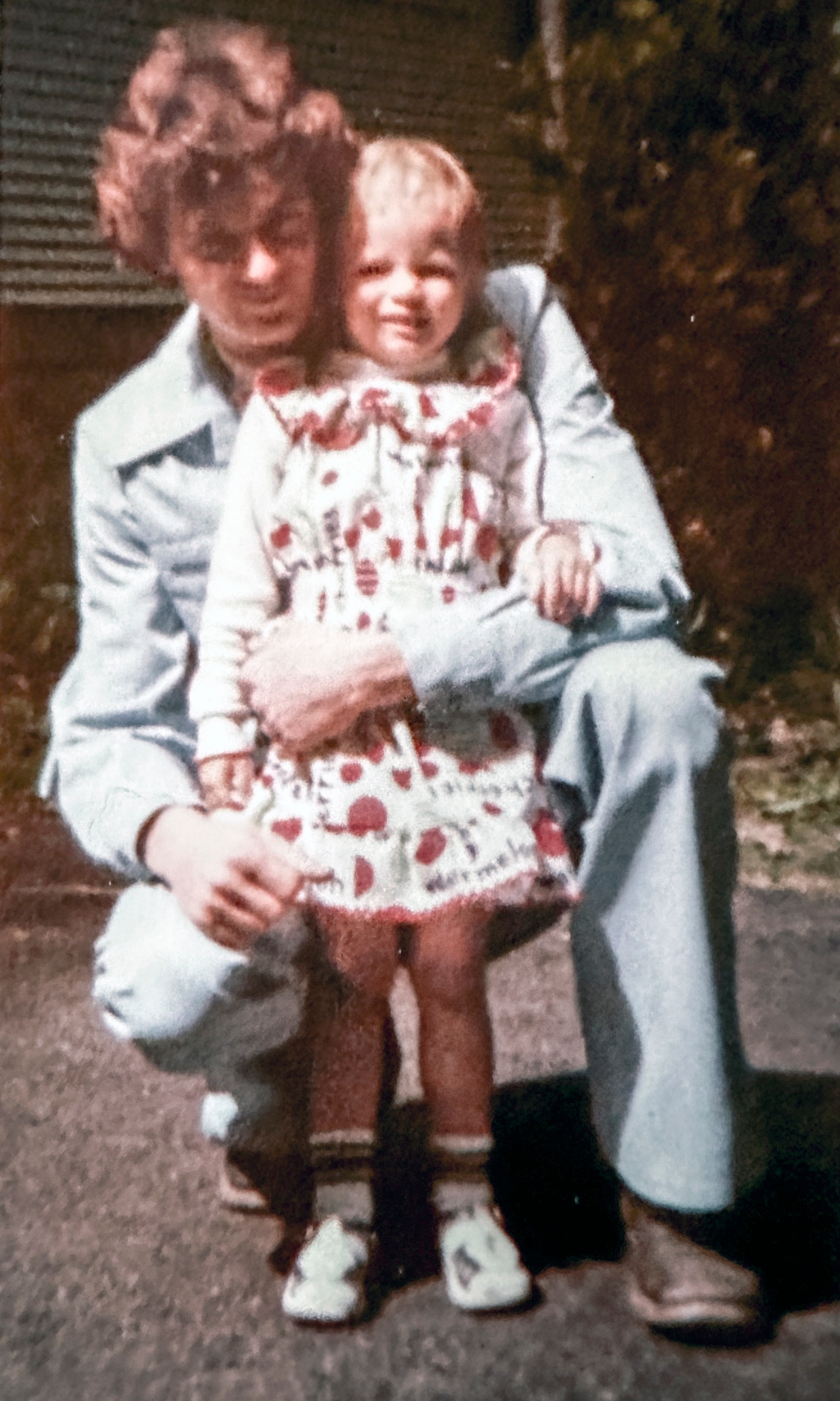
Today is Father’s Day—a time to celebrate our fathers and reflect on their influence in our lives. However, for many, this day can be a complex and emotional experience. What if your father was absent from your childhood? What if he was abusive? Or, as in my case, what if your father has already passed away?
We all know that the loss of a parent is something we will face at some point in our lives. It is a natural cycle of life. As I reach the age where the inevitability of losing my remaining grandparent or parent looms closer, I see my high school classmates saying goodbye to their parents as well. The loss of a parent can be overwhelming, even when it is anticipated, and even more so when it comes unexpectedly.
My father passed away just over seven years ago this month. He was battling stage-4 lung cancer, and while we knew his time was limited, we didn’t expect to lose him so quickly after his diagnosis. The grieving process was complicated for many reasons, and although I can go days or weeks without thinking about him, certain memories or holidays, like his birthday in November or today, Father’s Day, bring the grief back to the forefront.
An important part of self-care is recognizing the difference between grief—a healthy, normal process that evokes a range of emotions—and depression. According to the American Psychological Association (APA), grief is a multifaceted response to loss, particularly the loss of someone or something with whom a bond was formed. It involves emotional, cognitive, physical, behavioral, and social dimensions. Grief can manifest as sadness, anger, guilt, anxiety, loneliness, fatigue, and helplessness, among other feelings.
On this Father’s Day, I navigated my grief by reaching out to my only living grandparent, my father’s father, to wish him a happy Father’s Day. I also reached out to other father figures who are important to me, expressing my appreciation for their presence in my life. Focusing on positive memories and the time I had with my father helps me manage the pain. I consider how much my son resembles the grandfather he barely knew and cherish the moments we had together. I am grateful for the opportunity to have said goodbye and for the other father figures who have been part of my journey.
Grieving is not a linear process; it fluctuates and changes over time. It’s important to allow yourself to feel the emotions associated with grief and to seek support when needed. Journaling, talking to friends and family, or seeking professional help can provide the necessary support to navigate this difficult time. According to grief expert David Kessler, finding meaning in the loss and focusing on gratitude can be powerful tools in the healing process.
Grief is a natural and necessary part of life that requires compassion and understanding. By recognizing the difference between grief and depression, reaching out to loved ones, and focusing on positive memories, we can navigate the complexities of loss. Embracing gratitude for the time we had and the relationships that continue to support us can provide solace and strength.
Happy Father’s Day to those that are with us here on earth, those to whom we have had to say goodbye, and to those who have stepped in and filled the void, sometimes without even knowing the role they play.

 Meadows Cozy Corner
Leave a comment