In a world that often glorifies perfection, it’s easy to fall into the trap of chasing an ideal that may never be attainable. Whether it’s striving for the perfect body, the perfect career, or the perfect relationship, the pursuit of perfection can be exhausting and ultimately unfulfilling.
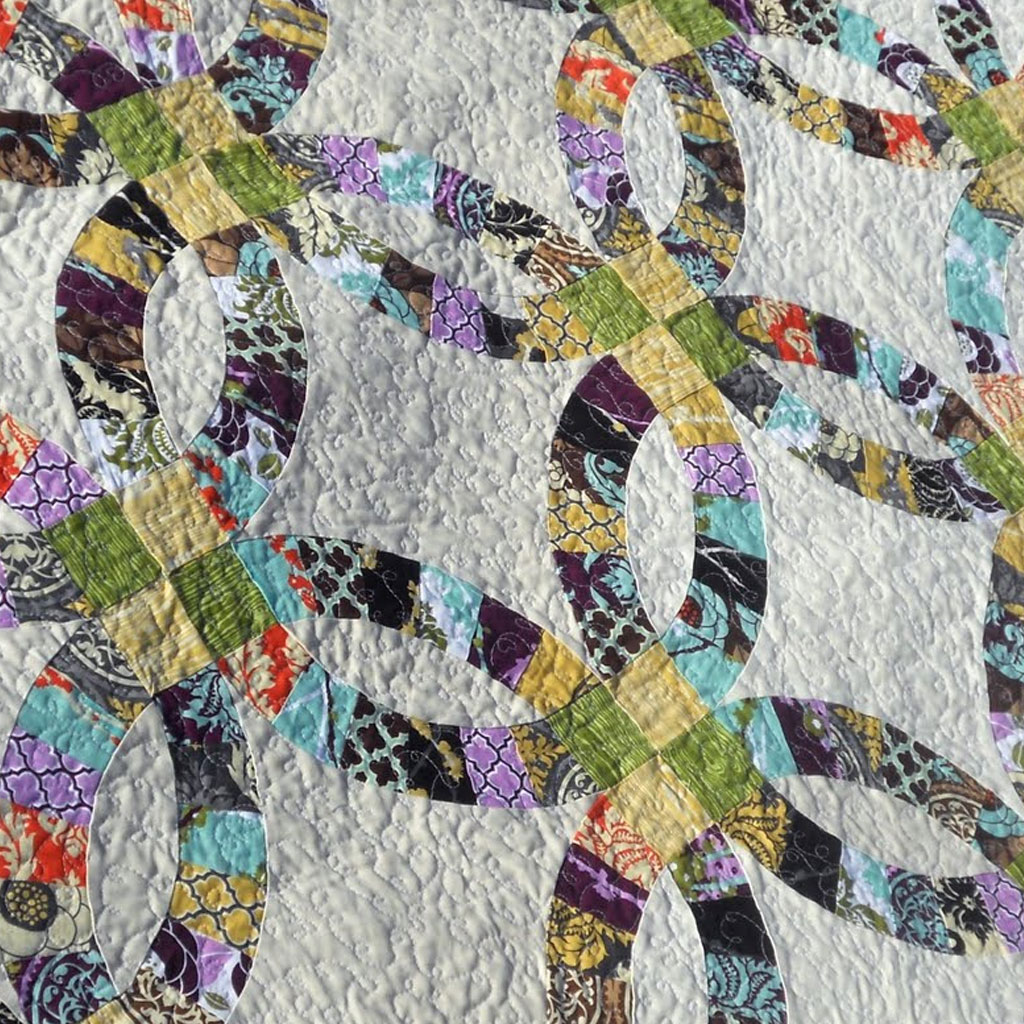
In quilting, I really struggle with the concept of perfection, especially when creating blocks with points. I want every point to align precisely. I want each stitch to perfectly cross that point. But when it is not perfect, I do not just rip it out! I mean, I should say if it is good enough I do not rip it out. Sometimes I have to because I sewed the fabric with the wrong side up or grabbed the wrong piece. Those are mistakes – not imperfections and it is important to know the difference.
What if we shifted our perspective and embraced imperfection instead? What if we recognized that sometimes “good” is not only enough but also beautiful in its own right? A quilt with some imperfect corners is still beautiful and will also keep you warm. Over time and with much love, washings, and wrappings, those mismatched points on the quilt are barely even noticeable or remembered.
Research in psychology and philosophy suggests that the relentless pursuit of perfection can actually be detrimental to our well-being. Perfectionism, defined as the need to be or appear perfect, has been linked to anxiety, depression, and low self-esteem.
One of the key arguments in favor of accepting imperfection is the concept of the “good enough” principle. Coined by British psychoanalyst Donald Winnicott, this principle suggests that in many areas of life, we don’t need to be perfect; we just need to be good enough. Whether it’s parenting, work, or creative endeavors, striving for perfection can actually hinder our progress and prevent us from achieving our goals.
In her book “The Gifts of Imperfection,” researcher and author Brené Brown argues that embracing imperfection is essential for living a wholehearted life. She writes, “Perfectionism is not the same thing as striving to be your best. Perfectionism is the belief that if we live perfect, look perfect, and act perfect, we can minimize or avoid the pain of blame, judgment, and shame. It’s a shield. It’s a twenty-ton shield that we lug around thinking it will protect us when, in fact, it’s the thing that’s really preventing us from flight.”
Accepting imperfection doesn’t mean settling for mediocrity. It means recognizing that perfection is an unrealistic standard and that there is beauty in embracing our flaws and vulnerabilities. It means striving for excellence while also acknowledging our limitations.
So how do we know when “good” is enough? It requires a shift in mindset—a willingness to let go of the need for perfection and embrace the messy, imperfect journey of life. It means setting realistic goals, prioritizing self-care, and learning to celebrate progress over perfection. It means finishing that quilt with the mismatched points and using it as it was designed to be used.
In conclusion, the pursuit of perfection can be a never-ending cycle that leaves us feeling exhausted and unfulfilled. By embracing imperfection and recognizing that “good” is often enough, we can free ourselves from the shackles of perfectionism and live more wholeheartedly. As author Anne Lamott famously said, “Perfectionism is the voice of the oppressor, the enemy of the people. It will keep you cramped and insane your whole life.” So let’s embrace imperfection and celebrate the beauty of being perfectly imperfect.

 Meadows Cozy Corner
Leave a comment