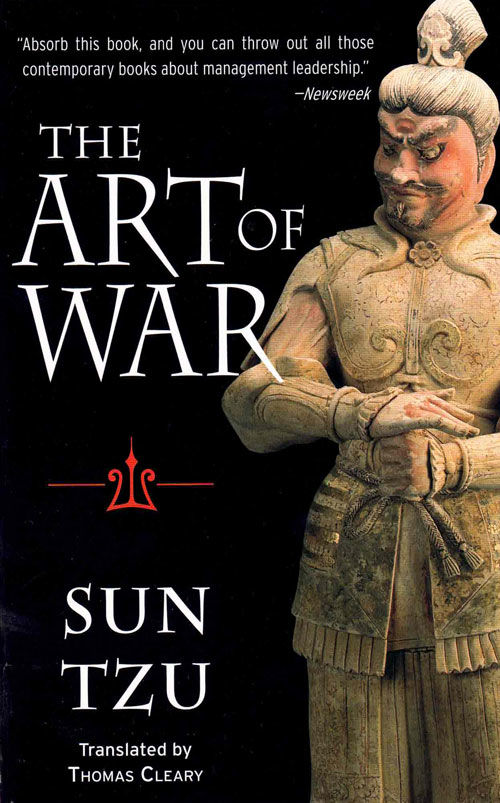
“The Art of War” is an ancient Chinese military treatise attributed to Sun Tzu, a military strategist, and philosopher. Written around the 5th century BC, it is one of the most influential works on military strategy in the world. The book is divided into 13 chapters, each addressing different aspects of warfare, tactics, and leadership.
It was interesting to read (listen) to this book while also reading Ride the Wind and Empire of the Summer Moon as you could see how the success and failure of the Comanche Indians and the Texans aligned with the strategies taught by Sun Tzu. Considering that the book was written centuries before the settling of the West in the United States and was not read by the Comanche Indians, the art of war itself seems intuitive if one studies war as an activity.
The audiobook that I listened to was narrated by Aidan Gillen, the actor that played Petyr “Littlefinger” Baelish in Game of Thrones. This gave it an engaging twist in that I could envision Littlefinger reading and applying these techniques in his strategies within Game of Thrones, especially since key themes include the importance of strategy, deception, knowing oneself and the enemy, the use of terrain, and the importance of adaptability.
Sun Tzu emphasizes the idea of winning without fighting, achieving victory through superior planning, preparation, and understanding of the opponent. He stresses the significance of flexibility and the ability to adapt tactics to changing circumstances. Additionally, the book delves into the importance of leadership and the role of morale in achieving victory.
Overall, “The Art of War” is not only a manual for military strategy but also offers insights that are applicable to various aspects of life, including business, politics, and personal development. Anyone in the military should definitely read the book from a tactical perspective; however, certain aspects of it can be applied theoretically to other situations, such as adversarial court cases. Its timeless wisdom continues to be studied and applied by leaders and strategists around the world.

 Meadows Cozy Corner
Leave a comment